

What to Know About Rotary Feeders
Rotary feeders manage the flow of granular and powdery materials from hoppers and bins to other equipment, such as conveyors, mixers, or grinders. Understanding these devices is vital for industries that rely on material handling, optimizing processes, and ensuring efficient operations. This guide provides a comprehensive view, helping decision-makers select the right system for their specific needs.
The manufacturing landscape continues to grow, and the demand for robust fabrication and material handling equipment expands alongside it. According to Data Bridge Market Research, the global pipe fabrication market reached a value of $30.33 billion in 2025 and is anticipated to grow to $44.92 billion by the year 2033. This growth trajectory highlights the continued need for durable, metal-constructed parts handling solutions that integrate seamlessly into broader industrial operations.
Understanding System Functions
Rotary feeders, also known as airlocks, control the flow of bulk solids from one chamber to another under different pressure conditions. They consist of a rotor with pockets that rotate inside a housing to meter material flow. The primary function of these systems is to regulate the discharge of materials with precision, minimizing wastage and ensuring smooth operations. By maintaining a consistent throughput, these units optimize the efficiency of production lines in sectors such as cement, food processing, pharmaceuticals, and chemical manufacturing.
In environmental control systems, these devices help contain dust and manage emissions, crucial for meeting industry regulations. By controlling the amount of material dispensed, they reduce product loss and environmental impact, contributing to sustainable practices. Their ability to isolate different environments makes them indispensable for preventing cross-contamination in sensitive industries like food and medicine. These systems adapt to specific application requirements, ensuring industries select a design that best fits their operational needs.
Exploring Industry Applications
These robust units play a prominent role in industries that require precise parts handling solutions. In the cement industry, they are integral for dosing and controlling the flow of raw materials, ensuring an optimal mix for production. Similarly, in the pharmaceutical sector, precise control over the dosage of ingredients is crucial for maintaining product quality and compliance with health regulations. In food processing, these units manage ingredient flow, preventing contamination and maintaining the integrity of the food being processed.
In the chemical industry, they meter granular and powdered chemicals into reactors and mixers, where precise measurement impacts the outcome of chemical reactions. By maintaining consistent material flow, they help reduce variability, which is critical for product quality and safety. They manage the handling of hazardous materials, providing containment and minimizing exposure risks to workers and the environment. Their ability to handle various particle sizes makes them adaptable to specific chemical processing operations.
Examining Types and Configurations
These material handling devices are categorized into various types based on their application, material handled, and design specifications. The most common types include drop-through, blow-through, and star configurations, each serving unique operational purposes. Drop-through units are used in gravity-fed applications where materials drop through the unit straight onto the next processing stage. Blow-through mechanisms are designed for pneumatic conveying systems that require a direct connection between the unit and pipeline. Star units are employed when gentle handling is necessary.
Each type is distinguished by specific features making it suitable for particular tasks. Drop-through rotary feeders are known for their simplicity and are favored for handling non-abrasive materials where throughput is prioritized over precision. Blow-through units are ideal for situations where maintaining a sealed environment is critical, such as in handling explosive powders. Selecting the right type of unit can have a direct impact on process efficiency and equipment longevity. Abrasive materials may require systems designed with wear-resistant metals.
Identifying Key Components
Rotary feeders are composed of several key components, each crucial for the optimal functioning of the device. The rotor is the central component, typically constructed with vanes or blades that capture and transfer the material within the system. The housing, which encases the rotor, must be designed to prevent material leakage and maintain system integrity. The end plates support the rotor, allowing it to spin freely while ensuring precise alignment and minimal friction. Seals and bearings play a critical role in maintaining operability and efficiency.
Seals prevent material leakage and keep contaminants from entering the system, protecting the integrity of the material being handled. The choice of seal material impacts performance, especially in harsh environments where sealing surfaces endure significant wear. Bearings support the rotating elements and reduce friction, which is key for maintaining the smooth movement of the rotor. High-quality bearings extend the lifespan of a system, improving operational efficiency by reducing downtime. Drive mechanisms and feeding chutes vary based on custom fabrication.
Analyzing Operational Mechanisms
The basic working principle revolves around the precise control and uniform distribution of bulk material from one processing stage to another. The rotor inside the unit rotates, and as its pockets pass by the inlet, they are filled with material. As the rotor continues to turn, the material is transported towards the outlet where it is discharged. This continuous rotary motion allows for the consistent and controlled movement of materials, making rotary feeders indispensable in processes where material flow must be regulated. The rotary movement prevents jam-ups and maintains process flow.
The cycle process begins with the loading phase, where the rotor’s pockets are filled with material as they pass by the inlet. This is a critical stage where the material is contained and prepared for transfer without spillage or leakage. The process then moves to the transfer phase, where the rotor continues to turn, carrying the encapsulated material towards the outlet. As the pockets reach the outlet, the discharge phase occurs, where gravity aids in the release of the material into the next stage of processing. This cycle repeats continuously for steady flow.
Evaluating Construction Materials
The dynamics of material flow are influenced by factors like material properties, rotor speed, and the design of the unit itself. Material properties such as particle size, moisture content, and abrasiveness can impact how easily materials move through the system. For instance, finer particles or sticky materials may require adjustments in settings to prevent clogging or uneven flow. The rotor speed is another critical factor that influences material flow; higher speeds can increase throughput but may lead to increased wear and tear on machinery.
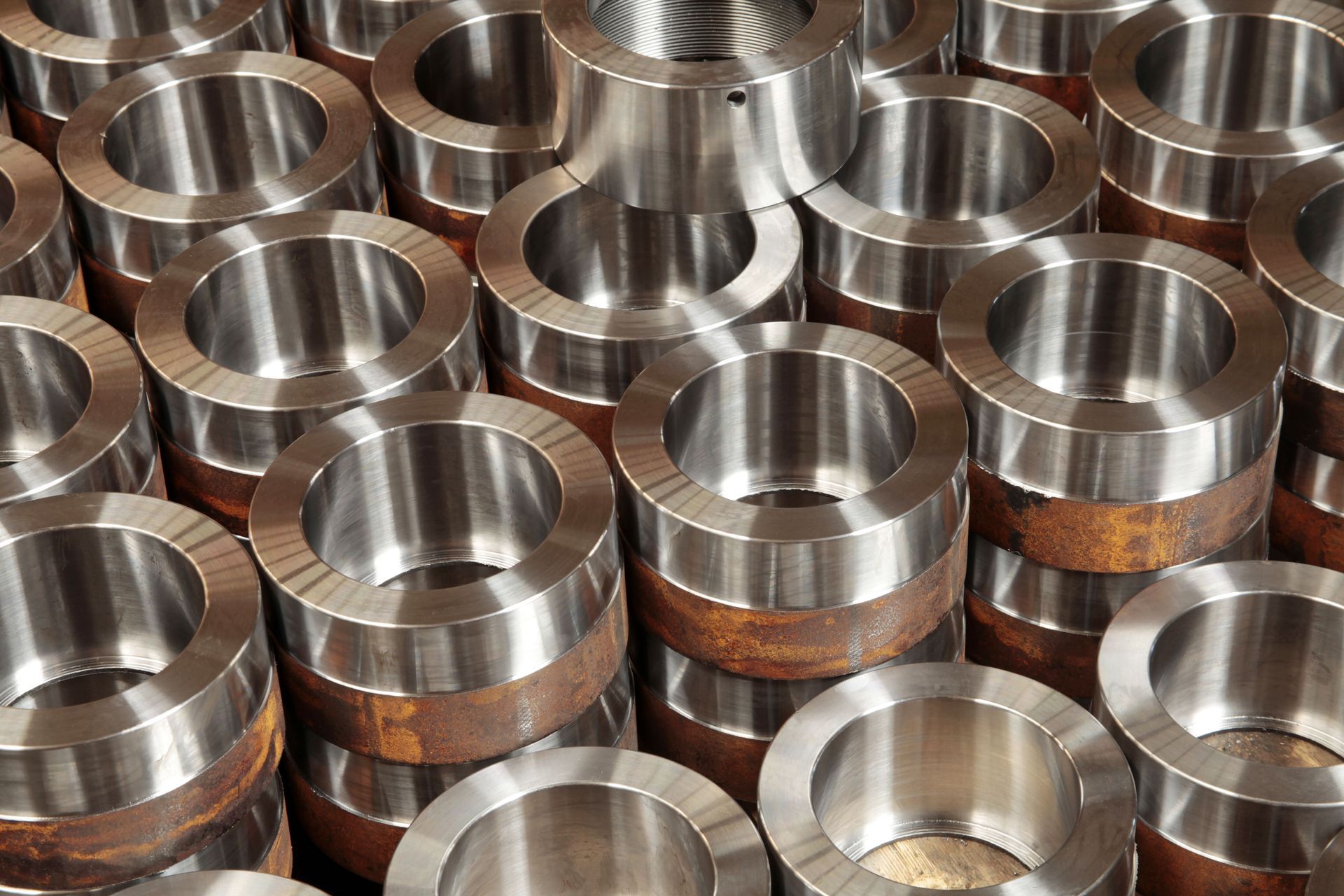
The construction of rotary feeders typically involves the use of durable materials to withstand the rigors of their operation. At the core of a reliable system is custom fabrication using high-quality metal rather than plastic alternatives. Metals like cast iron and stainless steel are commonly employed due to their strength and resistance to wear. Stainless steel is favored not only for its durability but also for its resistance to corrosion, making it suitable for use in food processing and pharmaceutical industries where hygiene is critical.
Incorporating efficient mechanical devices into industrial processes is a cornerstone of modern manufacturing. From controlling the flow of bulk materials to preventing cross-contamination, rotary feeders serve as critical components in many production lines. Their versatility allows them to be adapted to a wide range of industries, including pharmaceuticals, food processing, and chemical manufacturing. As industrial demands evolve, investing in durable material handling equipment built from robust metals ensures long-term reliability and operational success.
Selecting the right equipment requires careful consideration of specific operational needs, material characteristics, and production goals. Understanding the variations in design, construction materials, and operational mechanisms helps operators make informed decisions that enhance productivity and minimize downtime. When you are ready to upgrade your parts handling operations with vibratory bowl feeders or Syntron products, contact us at Homer City Automation Inc to discuss how our custom metal solutions benefit your business.
Share On: