

What to Know About Material Handling Equipment
The modern industrial landscape relies heavily on the seamless movement, storage, and control of goods across various stages of manufacturing and distribution. At the heart of this operational efficiency is material handling equipment, a broad category of machinery and tools designed to optimize workflow and safety. Understanding how these systems function is essential for businesses looking to reduce labor costs, minimize product damage, and improve overall productivity. From manual jacks to fully automated conveyor networks, choosing the right machinery can completely transform an enterprise. This guide explores the essential components, classifications, and maintenance strategies required to maximize your operational investments.
Understanding the Four Main Categories
When evaluating your facility's needs, it helps to categorize material handling equipment into four primary types: storage, engineered systems, industrial trucks, and bulk material handling. Storage units include racks, shelves, and pallets that maximize vertical space without cluttering the floor. Engineered systems encompass automated technologies like conveyor belts or robotic retrieval mechanisms that streamline transport. Industrial trucks refer to vehicles like forklifts and order pickers that operators drive to move heavy pallets manually. Finally, bulk material handling involves equipment used to control loose items, such as liquids, grains, or minerals, ensuring they flow steadily through the production line.
Maximizing Efficiency Through Proper Storage
Utilizing space effectively is one of the most critical aspects of warehouse management, making storage infrastructure a vital consideration. Pallet racking systems, drive-in racks, and push-back shelving allow facilities to store items vertically, dramatically increasing total capacity without expanding the building’s physical footprint. By organizing inventory strategically, companies can ensure fast accessibility while maintaining a safe work environment for their employees. Selecting the appropriate storage configuration directly impacts how quickly staff can locate, retrieve, and transport items. Ultimately, investing in the right structural frameworks prevents clutter, reduces search times, and keeps logistics operations running smoothly every day.
Integrating Automated Engineered Systems
As technology evolves, many modern warehouses are actively incorporating automated engineered systems to handle complex, repetitive tasks with minimal human intervention. This subset of material handling equipment includes Automated Storage and Retrieval Systems (ASRS), continuous conveyor networks, and Automatic Guided Vehicles (AGVs) that navigate floors independently. These advanced systems are highly customized to fit specific facility layouts, drastically reducing manual labor while increasing processing speeds. By automating the movement of goods, businesses can virtually eliminate human error during sorting and distribution. The initial capital investment pays off over time through unmatched accuracy, lower operational overhead, and significantly faster order fulfillment cycles.
Utilizing Industrial Trucks Safely
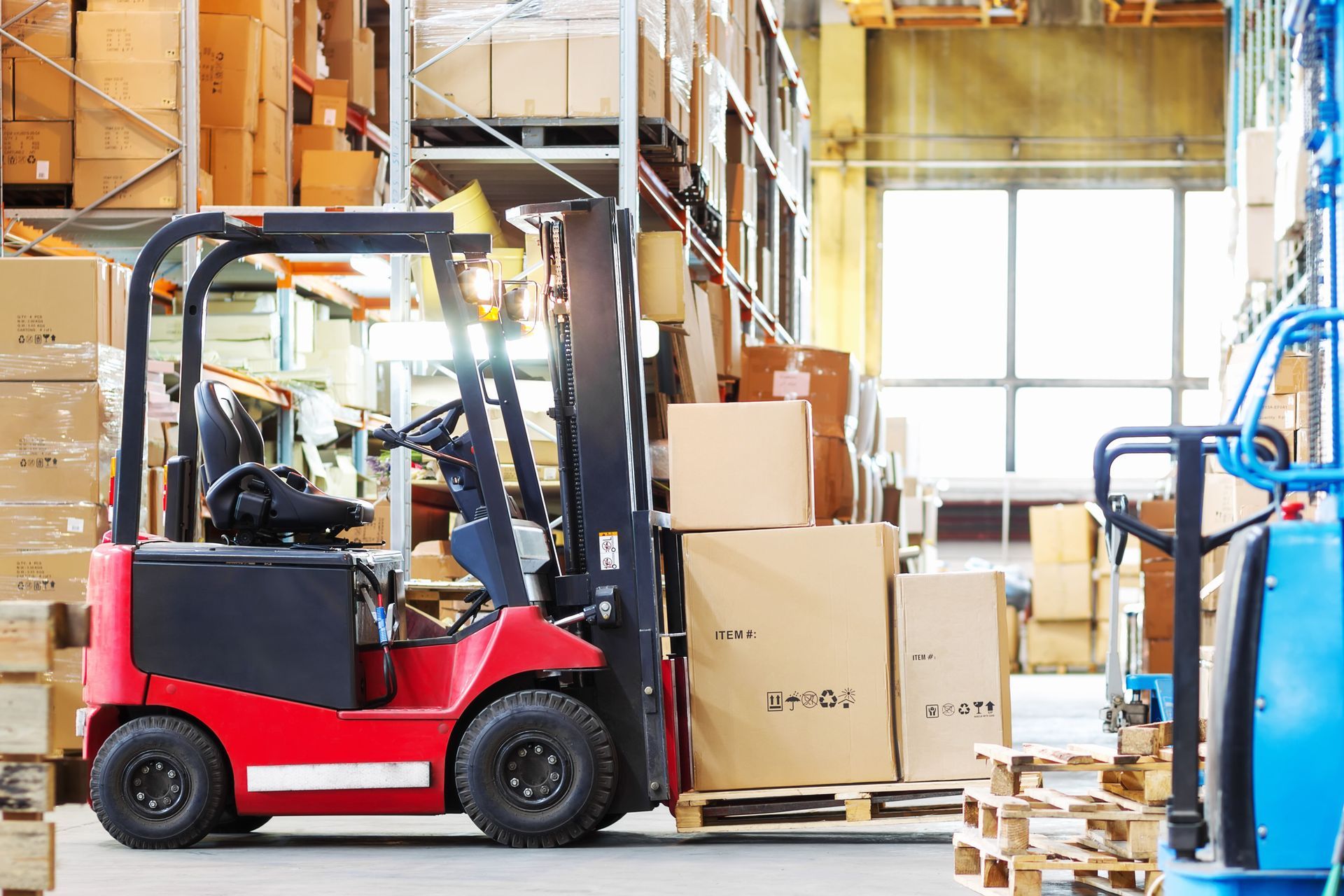
Industrial trucks represent the mobile workhorses of the warehouse floor, providing the flexibility needed to transport diverse loads over short distances. This category ranges from heavy-duty forklifts and reach trucks to simple walkie stackers and manual hand pallet jacks. Because these machines interact constantly with pedestrian workers, establishing strict safety protocols and comprehensive operator training programs is absolutely mandatory. Drivers must understand weight capacities, center of gravity principles, and proper steering techniques to prevent tipping accidents. Equipping these vehicles with modern proximity sensors and clear warning lights further enhances workplace safety, protecting both valuable personnel and fragile inventory.
Managing Bulk Materials Correctly
Handling loose, raw substances requires specialized machinery engineered to move massive quantities of unpackaged goods like gravel, coal, or chemicals. Bulk material handling equipment utilizes stackers, reclaimers, grain elevators, and heavy-duty screw conveyors to transition materials from storage piles to processing units. Because these substances are often abrasive or powdery, preventing spillage and maintaining equipment integrity are constant challenges for facility managers. Protecting the surface of this machinery with durable finishes is essential to resisting wear and tear over extended periods of heavy operation. According to Maximize Market Research, professionals should use powder coating with particle sizes ranging from 30 to 50 micrometers for optimum material handling and a smooth application.
Implementing Rigorous Maintenance Schedules
To ensure the longevity and reliability of your fleet, establishing a proactive, preventative maintenance schedule is an absolute necessity for operations. Regularly inspecting hydraulic systems, checking electrical connections, lubricating moving parts, and replacing worn tires will prevent costly unexpected breakdowns. Downtime can paralyze a production line, resulting in missed deadlines, frustrated clients, and severe financial losses for the business. Keeping meticulous digital logs of every inspection helps managers track the health of each asset over its operational lifespan. Anticipating mechanical failures before they happen guarantees a safer environment and extends the working life of your machinery.
Assessing Ergonomics for Worker Safety
Prioritizing employee health is another crucial factor when selecting the right tools, as manual lifting often leads to severe musculoskeletal injuries. Ergonomic material handling equipment, such as lift tables, hoist attachments, and spring-loaded bin levelers, brings work directly to the operator's comfortable reaching height. Reducing the need to bend, twist, or lift heavy items excessively keeps the workforce energized, healthy, and highly focused. When employees are provided with mechanically assisted lifting options, absenteeism drops significantly, while morale and daily output rise. Designing a workspace around human capabilities ultimately fosters a sustainable culture of safety and high productivity.
Selecting the Right Equipment Provider
Partnering with a reputable, experienced vendor is just as important as choosing the specific machinery your warehouse requires for daily operations. A quality provider does not simply sell tools; they conduct thorough site assessments to understand your unique workflow constraints. They offer robust after-sales support, easily accessible replacement parts, and certified training modules for your specialized equipment operators. Evaluating warranties, reading client testimonials, and checking response times for emergency repairs will help you select a dependable long-term partner. The right distributor ensures your infrastructure remains cutting-edge, compliant with current industry standards, and fully operational.
Analyzing the Total Cost of Ownership
When budgeting for new machinery, looking past the initial purchase price to calculate the total cost of ownership is vital. This comprehensive financial analysis includes installation fees, routine maintenance expenses, energy consumption costs, operator wages, and potential future disposal values. Cheaper machinery often incurs higher repair bills and frequent downtime, ultimately costing more than a premium, energy-efficient model over time. Evaluating the long-term return on investment helps corporate decision-makers justify upfront capital expenditures for high-quality, durable systems. Smart financial planning ensures your logistics framework remains profitable and highly competitive for many years to come.
Standardizing Workflows for Peak Performance
Even the most advanced machinery will fail to deliver results if your internal operational workflows remain disorganized and inefficient. Standardizing how inventory is received, sorted, scanned, and dispatched creates a predictable environment where machinery can perform at its peak. Labeling aisles clearly, optimizing traffic paths for industrial trucks, and utilizing warehouse management software coordinate human actions with machine movements. Regular audits of your layout help identify bottlenecks, allowing you to rearrange assets to match changing inventory demands. Seamlessly blending organized human processes with reliable mechanical systems unlocks the true potential of your distribution center.
Adapting to Future Industry Trends
The logistics sector is shifting rapidly, meaning businesses must stay informed about emerging trends to remain relevant in the marketplace. Artificial intelligence, Internet of Things (IoT) sensors, and green energy solutions are rapidly transforming modern material handling equipment designs. Lithium-ion batteries are replacing traditional lead-acid options, offering faster charging capabilities, zero maintenance, and a much smaller carbon footprint. IoT sensors can now predict mechanical failures by monitoring vibrations and temperature fluctuations in real time, preventing sudden operational halts. Embracing these technological advancements ensures your facility remains agile, scalable, and fully prepared for future demands.
Investing in high-quality material handling equipment is a foundational step toward building a resilient, agile, and highly profitable supply chain. By thoroughly understanding the distinct equipment categories, prioritizing strict safety protocols, and committing to preventative maintenance, businesses can optimize their daily workflows. Remember that selecting the right tools requires balancing upfront acquisition costs against long-term operational efficiency and worker ergonomics. As automation and smart technologies continue to redefine the industrial sector, staying adaptable will keep your operations ahead of the competition. Empowering your facility with the correct mechanical infrastructure guarantees sustained growth, safety, and long-term logistical success. Are you looking for assistance with material handling equipment? The experts at Homer City Automation Inc are ready to assist! With operations shipping globally, call today to request a consultation.

Share On: