

Understanding Rotary Feeders
Rotary feeders play an important role in many industrial operations, particularly those involving the controlled movement of bulk materials. From manufacturing facilities and food processing plants to agricultural operations and chemical production, these mechanical devices help regulate how materials move between different stages of a production process. Their ability to deliver consistent material flow makes them valuable components in systems that require accuracy, efficiency, and dependable operation.
How Do Rotary Feeders Work?
Rotary feeders operate using a rotating mechanism designed to transfer measured quantities of material from one location to another. Most commonly, they consist of a housing containing a rotor with multiple vanes or pockets. As the rotor turns, these pockets capture material entering through the inlet and carry it toward the discharge opening.
The rotation creates a controlled movement of material through the equipment. Once a pocket reaches the discharge area, gravity allows the material to fall into the next stage of the processing system. The process then repeats continuously, providing a relatively consistent material flow.
One of the defining characteristics of rotary feeders is their ability to maintain an air seal while transferring bulk materials. In pneumatic conveying systems, for example, maintaining pressure differences between equipment components is essential. A properly designed rotary airlock feeder allows material to enter a pressurized or vacuum-based conveying system while limiting unwanted air leakage.
The rotor's speed, pocket dimensions, and overall construction influence how much material the equipment can handle. Operators can adjust rotational speed to accommodate different production requirements, although the appropriate settings depend on material characteristics and equipment specifications.
What Are the Different Types of Rotary Feeders?
Rotary feeders are available in several configurations, each designed to address particular operating conditions and material-handling requirements. Understanding the differences between these designs helps businesses identify equipment that aligns with their production needs.
One common option is the rotary airlock feeder. These devices are frequently used in pneumatic conveying systems, dust collection equipment, and industrial filtration applications. Their primary purpose is to transfer bulk solids while maintaining an air seal between different pressure environments. This makes them particularly useful in systems where pressure control is essential.
Drop-through rotary feeders provide another widely used configuration. In these systems, material enters through an opening at the top of the housing and exits through a discharge opening below. Their straightforward design makes them suitable for gravity-fed applications involving powders, granules, and other free-flowing materials.
Blow-through rotary feeders are designed for pneumatic conveying applications. Instead of allowing material to discharge primarily through gravity, conveying air passes through the feeder to carry material into the transportation line. This arrangement can be useful when handling materials that require additional assistance to enter the conveying system.
Heavy-duty rotary feeders are designed for demanding environments involving abrasive, dense, or otherwise difficult materials. They typically feature more robust construction and wear-resistant components to withstand challenging operating conditions. Depending on the application, manufacturers may also offer specialized rotor designs, adjustable clearances, and different housing materials.
What Are the Benefits of Using Rotary Feeders?
Industrial operations depend on equipment that delivers reliable performance without creating unnecessary complications. Rotary feeders offer several advantages that make them useful across a wide range of material-handling applications.
Consistent material flow is one of their primary benefits. By controlling the amount of material transferred during each rotation, these devices help maintain predictable feed rates. This is especially important in production environments where downstream equipment depends on receiving a steady supply of raw materials.
Another advantage is their relatively compact design. Many rotary feeders can be integrated into existing processing systems without requiring extensive modifications. Their straightforward mechanical operation also makes them easier to understand and maintain than some more complicated material-handling alternatives.
Rotary feeders can also improve workplace cleanliness and environmental control. In properly designed systems, airlock configurations help contain dust and prevent unwanted air movement. This can reduce material loss, improve housekeeping, and support compliance with applicable workplace safety and environmental requirements.
Reliability is another important consideration. When properly selected and maintained, these devices can operate continuously for extended periods. Their mechanical simplicity helps limit unnecessary complexity, while replaceable components can make routine servicing more manageable.
There are also potential cost advantages. Consistent feeding can reduce material waste, improve production efficiency, and minimize disruptions caused by inconsistent material delivery. According to LinkedIn, the rotary feeders market was valued at approximately USD 1.5 billion in 2022 and is projected to reach USD 2.5 billion by 2030. This projected growth reflects increasing interest in equipment that supports efficient industrial material handling.
What Are the Common Applications of Rotary Feeders?
Rotary feeders are used in numerous industries because they provide a practical way to control bulk material movement. Their versatility allows manufacturers to incorporate them into systems handling everything from lightweight powders to dense granular materials.
The food processing industry is one notable application. Facilities handling flour, sugar, starch, grains, and other powdered or granular ingredients frequently rely on controlled feeding equipment. Consistent material delivery helps maintain production accuracy, particularly in processes involving mixing, blending, and packaging. Equipment used in food applications must also meet appropriate sanitary requirements and accommodate frequent cleaning.
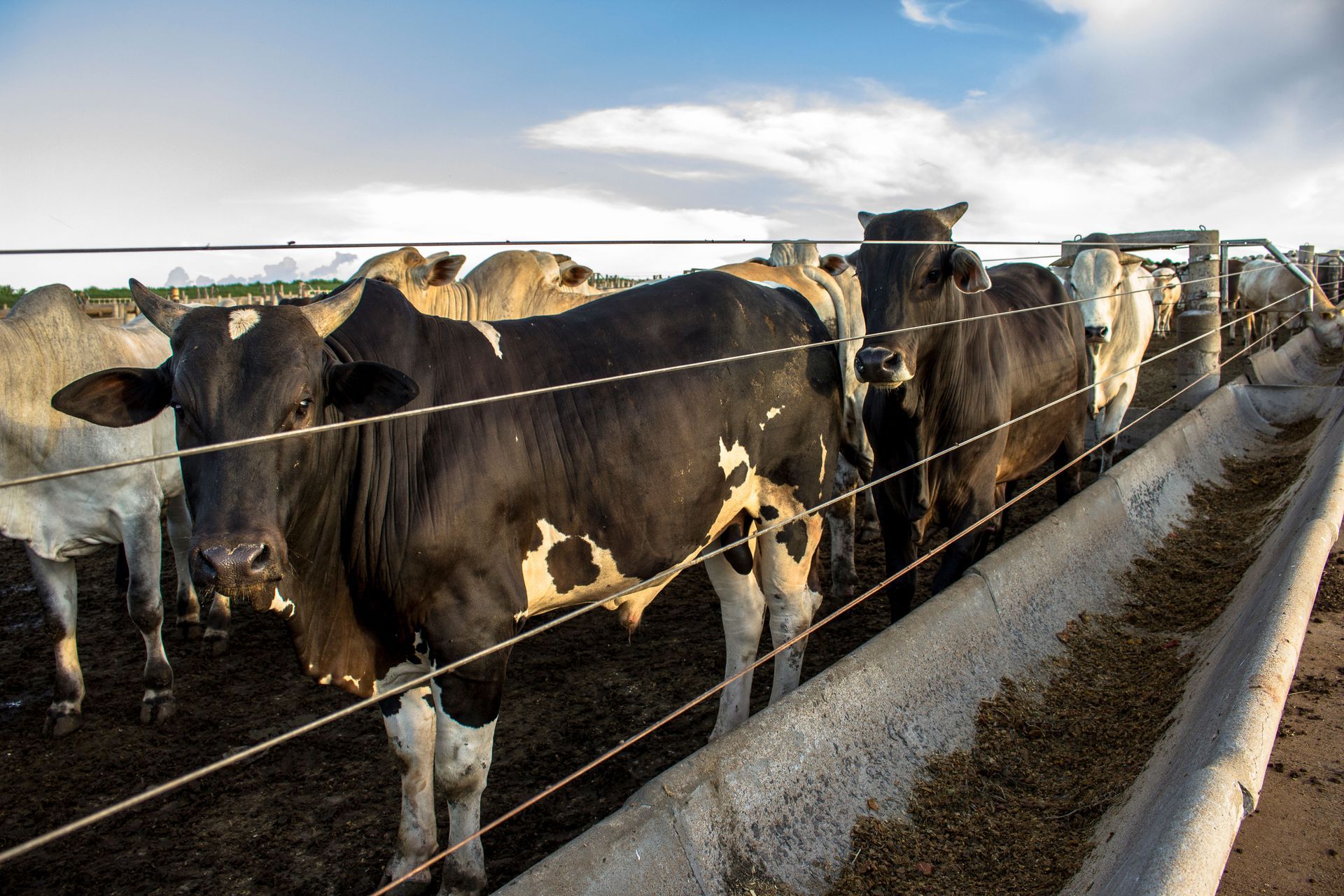
Agriculture is another important area. Grain handling facilities, feed manufacturers, and agricultural processing operations use these devices to regulate the movement of seeds, grain, fertilizers, and animal feed. Reliable feeding helps maintain production rates while reducing the likelihood of material accumulation or inconsistent distribution.
Chemical manufacturing facilities also depend on controlled material transfer. Powders, additives, pigments, and other dry ingredients often need to move between storage containers, processing equipment, and packaging systems. Properly selected feeders help maintain consistent delivery while supporting containment requirements for potentially hazardous or sensitive materials.
Cement production, mining, and other heavy industrial applications present additional opportunities. These environments frequently involve abrasive materials such as limestone, sand, cement, and mineral powders. Heavy-duty equipment can help manage these materials while withstanding demanding operating conditions.
Are There Any Basic Maintenance Tips for Rotary Feeders?
Regular maintenance is essential for preserving equipment performance and preventing unexpected production interruptions. Although rotary feeders are generally straightforward mechanical devices, their components experience ongoing friction, pressure differences, and material exposure during operation.
One of the most important maintenance practices is conducting routine inspections. Operators should examine the rotor, housing, vanes, seals, and bearings for signs of excessive wear or damage. Abrasive materials can gradually wear down internal surfaces, while accumulated material may interfere with rotor movement.
Bearing condition also deserves attention. Worn or improperly lubricated bearings can produce unusual noise, increased vibration, and excessive operating temperatures. Following the manufacturer's lubrication recommendations helps prevent premature component failure.
Maintaining appropriate rotor clearances is another important consideration. Excessive clearance can increase air leakage and reduce feeding efficiency, particularly in airlock applications. Conversely, insufficient clearance may cause friction or allow the rotor to contact the housing. Regular inspection helps identify developing problems before they cause significant damage.
Operators should also monitor material buildup. Moisture, sticky powders, and certain granular materials can accumulate inside the housing or between rotor pockets. Cleaning procedures should follow manufacturer recommendations and account for any material-specific safety requirements.
Understanding how these devices work and selecting the appropriate design are important steps toward achieving reliable performance. Equally important is establishing a consistent maintenance routine that addresses wear, lubrication, material buildup, and component condition. With proper selection, installation, and care,
rotary feeders can help businesses improve production efficiency, reduce material waste, and maintain dependable industrial operations. If you're looking for a rotary feeder, reach out to Homer City Automation Inc today!


Share On: