

What to Know About Vibratory Feeders
The modern manufacturing landscape is constantly evolving, requiring businesses to optimize daily operations for maximum productivity. One of the most effective ways to achieve this operational excellence is by integrating advanced parts handling equipment into your daily processes. Whether dealing with delicate components or larger industrial materials, having a highly reliable system in place is essential. For many facilities, implementing vibratory feeders provides the perfect, streamlined solution to common production bottlenecks. These vibratory feeders are meticulously designed to orient and discharge parts efficiently, ensuring that assembly proceeds without delays. If you are actively looking to enhance your facility, understanding the mechanics and customization options of these systems is a crucial first step. In this comprehensive guide, we will thoroughly explore the essential aspects of these machines, how they compare to options like rotary centrifugal feeders, and what to consider before upgrading your current setup.
Understanding the Mechanics of the Equipment
When it comes to automated manufacturing, moving parts efficiently from one station to the next is a primary goal. The core function of vibratory feeders revolves around utilizing controlled vibrations to move parts sequentially along a track. Typically, these systems consist of a sturdy drive unit, which generates the vibration, and a bowl, which safely holds the components. As the drive unit vibrates, parts slowly and systematically move up the spiral track located inside the bowl. This movement is carefully calibrated using specialized Syntron controllers and high-performance feeder drives to ensure parts exit in the correct orientation. Having the right orientation is vital for assembly lines, as misaligned components can cause significant, costly delays. By utilizing high-quality feeder bowls and reliable solid mount linear drives, facilities achieve a consistent flow of materials. This predictable flow drastically reduces manual intervention and significantly lowers the risk of human error occurring during active production.
Choosing the Right Parts Handling Equipment
Finding the optimal machinery requires a careful, detailed evaluation of your production goals and specific material types. While vibratory feeders are incredibly versatile and handle a wide variety of components efficiently, they are just one piece of the puzzle. Depending on your unique operational requirements, you might also greatly benefit from rotary centrifugal feeders, which offer a different approach to parts handling. Rotary options use powerful centrifugal force to orient parts rapidly, making them ideal for high-speed, demanding applications. When evaluating your facility's specific needs, always consider the size, weight, and material composition of the items you are processing. Integrating Syntron belt elevators or Syntron bulk supply hoppers can further streamline the process by automatically replenishing the bowls, ensuring machines never run empty. Making an educated decision ensures that your financial investment yields long-term productivity and operational stability for your manufacturing floor.
Customizing Systems for Unique Operational Challenges
No two manufacturing facilities are exactly alike, which means off-the-shelf solutions frequently fall short of meeting specific demands. To truly maximize operational efficiency, facilities frequently rely on expert custom fabrication services to tailor equipment to their precise requirements. Advanced customization allows professional engineers to thoughtfully design track configurations and complex sorting mechanisms that match the unique geometry of your parts. Whether you require specialized industrial coatings to protect fragile items or unique bowl tooling, a customized approach ensures seamless integration for your vibratory feeders. Furthermore, specialized custom fabrication services are not strictly limited to the bowls themselves. From designing unique Syntron custom feeders and systems to building specialized framework, tailoring the entire automated setup guarantees optimal performance. Custom solutions help quickly overcome specific operational challenges, such as sorting difficult-to-handle items or fitting bulky equipment into tight spaces. By strategically investing in tailored designs, you can significantly enhance your facility's output.
Integrating Components for Maximum Facility Efficiency
Building a highly efficient and cohesive production line involves an intelligent approach where various mechanical components work together in perfect harmony. When effectively integrating vibratory feeders into your existing manufacturing setup, you must guarantee they communicate flawlessly with upstream and downstream equipment. This often involves utilizing advanced Syntron controllers to perfectly synchronize the feed rate with the exact speed of your automated assembly machines. Additionally, systematically incorporating Syntron bulk supply hoppers helps maintain a consistently accurate level of parts in the bowl, which is critical for preventing frustrating mechanical jams. Proper, methodical integration also means carefully considering the underlying structural support of the heavy machinery. High-quality parts handling equipment must always be securely mounted to minimize unwanted vibrations that could disrupt surrounding operations. By thoughtfully integrating feeder drives, bowls, and linear tracks, modern manufacturers can create an uninterrupted flow of materials that improves the overall efficiency of the facility.
Exploring the Impact of Material Quality
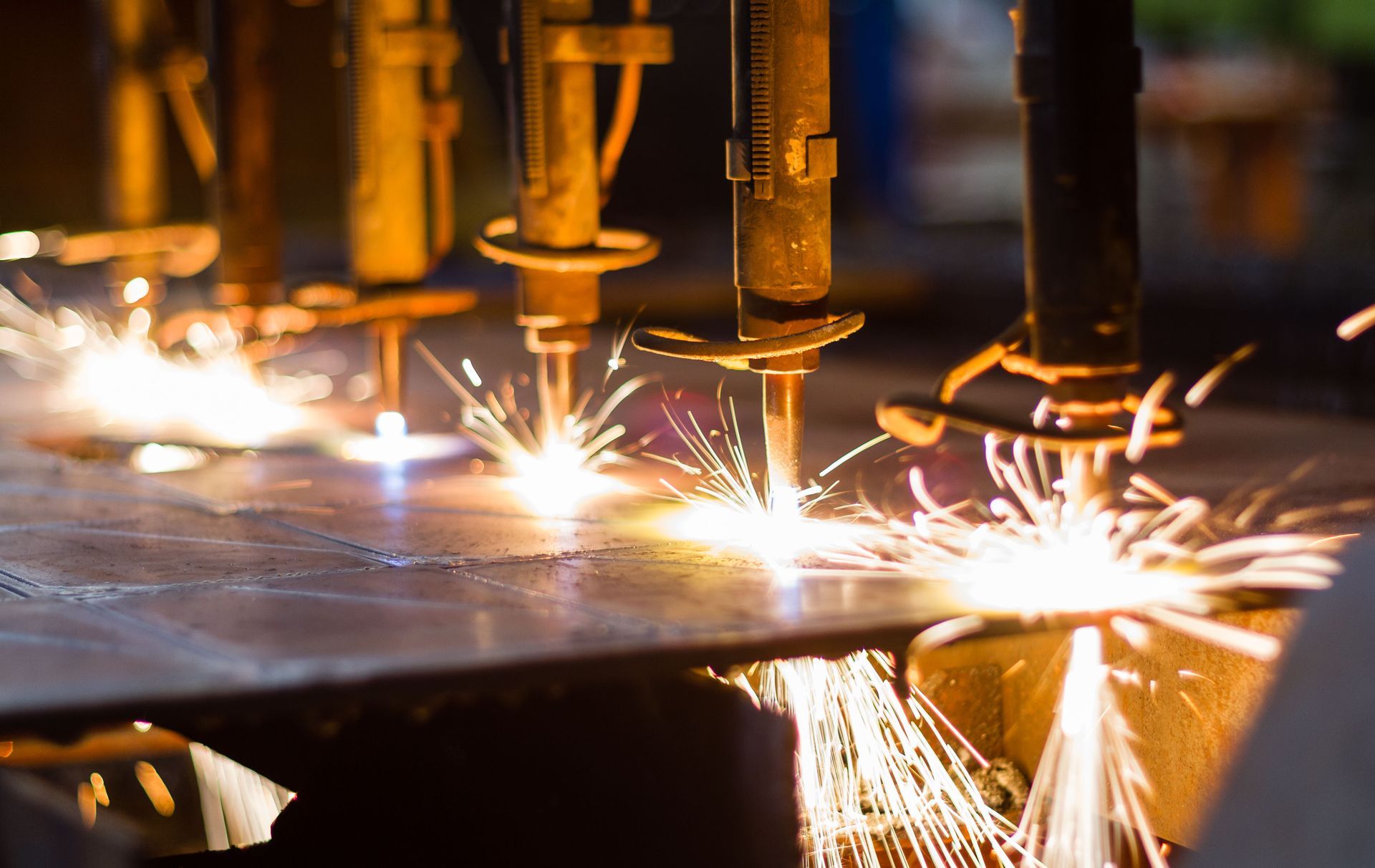
The long-term durability of your manufacturing machinery depends heavily on the quality of the materials used throughout its construction. In high-volume production environments, equipment is subjected to severe wear and tear, making robust construction an absolute necessity. Utilizing high-quality metals guarantees that your machinery can withstand the harsh rigors of demanding daily use. Professional metal fabrication plays a critical role in properly creating these highly durable industrial systems. According to Mordor Intelligence, welding stood as the leading steel fabrication method, accounting for 32.35% of all market activities. This statistic highlights the importance of strong, solidly welded metal structures in creating immensely reliable industrial equipment. When your vibratory feeders and rotary centrifugal feeders are properly constructed from superior metal materials, they require significantly less maintenance and naturally offer a longer operational lifespan. Investing in well-built metal components ultimately reduces long-term costs and actively prevents unexpected mechanical breakdowns.
Maintaining Machinery for Long-Term Operational Success
Even the most well-constructed machinery requires regular maintenance to continuously perform at its absolute best over time. Establishing a strict routine maintenance schedule is critically important for ensuring the ultimate longevity and reliability of your vibratory feeders. Routine checks should include meticulously inspecting the feeder bowls for any signs of early wear or structural damage, particularly along the active tracks where parts constantly travel. Additionally, it is absolutely essential to monitor the ongoing condition of the feeder drives and solid mount linear drives to guarantee they generate the correct level of vibration. Keeping the complex equipment perfectly clean is vitally important, as the buildup of environmental dust or loose debris can negatively impact the smooth movement of parts. Regularly calibrating the Syntron controllers will significantly help maintain optimal feed rates and effectively prevent the entire mechanical system from dangerously overworking. By diligently dedicating valuable time to proper preventative maintenance, you can efficiently maximize the operational lifespan of your machinery and avoid unplanned downtime.
Navigating the complexities of modern industrial manufacturing requires a highly strategic approach to parts handling and facility automation. By intelligently incorporating efficient mechanical systems into your daily workflow, you can reduce manual labor, minimize human errors, and increase your overall production output. As discussed, properly understanding the underlying mechanics of these systems, carefully evaluating the amazing benefits of rotary centrifugal feeders, and utilizing custom fabrication services are all essential steps in optimizing your facility. Furthermore, prioritizing high-quality materials and fully committing to comprehensive regular maintenance will ensure your valuable machinery continues to operate reliably. Whether you need durable Syntron rotary feeders, efficient Syntron belt elevators, or a fully customized parts handling solution, identifying the right components makes a major operational difference. When you are ready to officially upgrade your facility's production capabilities with durable equipment, proactively reach out to the professional experts at Homer City Automation Inc.
Share On: